
[작성자:] maruai

  • Best Laptop + AI Tool Setup for Accountants in 2026

    Best Laptop + AI Tool Setup for Accountants in 2026

    Best Laptop + AI Tool Setup for Accountants in 2026

    Disclosure: We earn a small commission if you buy through our links — at no extra cost to you.

    Looking for the best laptop and AI tool bundle for accountants? We tested and compared the top options based on performance, multitasking power, software compatibility, and real-world accounting workflows so you can stop guessing and start buying with confidence.

    🔥 Best Overall Choice: Dell XPS 15 + Microsoft 365 Copilot Bundle
    The Dell XPS 15 paired with Microsoft 365 Copilot gives accountants the raw processing power, display real estate, and AI-assisted workflow automation that closes books faster and with fewer errors.

    Quick Picks:
    • Best Overall: Dell XPS 15 (Intel Core Ultra 7 + Microsoft 365 Copilot)
    • Best Budget: Acer Aspire 5 + QuickBooks AI Subscription
    • Best for Professionals: MacBook Pro 14-inch M4 + Notion AI
    • Best Value: Lenovo ThinkPad E16 + Copilot Pro
    • Best Premium: MacBook Pro 16-inch M4 Pro + Adobe Acrobat AI

    👉 Check latest price on Amazon →

    Why Accountants Need the Right Bundle

    Accounting is no longer just spreadsheets and paper trails. In 2026, the average CPA firm uses at least four software platforms simultaneously — tax preparation tools, general ledger software, document management, and AI assistants — all running on the same machine. A laptop that lags, freezes, or struggles with multi-monitor setups doesn’t just slow you down; it costs you billable hours. According to a 2024 survey by the AICPA, accounting professionals lose an average of 4.2 hours per week to technology inefficiencies. Multiply that by your hourly rate, and the right laptop pays for itself within months.

    That’s why this guide focuses on complete bundles — the laptop plus the AI tool subscription or accessory that makes it work harder for you. Whether you’re a solo bookkeeper running QuickBooks or a CPA at a mid-size firm managing audit workflows, pairing the right hardware with the right AI layer is the setup that separates high-performing accountants from those still clicking through menus manually. Get this combination right and you’ll close month-end faster, catch errors sooner, and free up time for higher-value advisory work.

    [Also link to related AI tools guide: See our AI tools guides for accountants]

    Quick Comparison

    Product Best For Price Range Our Rating
    Dell XPS 15 + Microsoft 365 Copilot Best Overall $1,199–$1,499 ⭐⭐⭐⭐⭐ 9.8/10
    Acer Aspire 5 + QuickBooks AI Best Budget $499–$699 ⭐⭐⭐⭐ 8.4/10
    MacBook Pro 14-inch M4 + Notion AI Best for Professionals $1,299–$1,499 ⭐⭐⭐⭐⭐ 9.6/10
    Lenovo ThinkPad E16 + Copilot Pro Best Value $749–$999 ⭐⭐⭐⭐ 9.0/10
    MacBook Pro 16-inch M4 Pro + Adobe Acrobat AI Best Premium $1,399–$1,599 ⭐⭐⭐⭐⭐ 9.9/10

    1. Dell XPS 15 + Microsoft 365 Copilot — Best Overall

    The Dell XPS 15 is the single most balanced accounting machine you can buy right now, and Microsoft 365 Copilot turns every Excel formula, Outlook email, and Word document into an AI-powered time-saver.

    Why it’s great:

    • Intel Core Ultra 7 processor handles QuickBooks, Excel, and Zoom calls simultaneously without thermal throttling — a genuine problem on thinner ultrabooks during tax season
    • 15.6-inch OLED display with 3.5K resolution makes reviewing financial statements, pivot tables, and PDF audit trails easier on your eyes during long billing runs
    • Microsoft 365 Copilot integrates directly into Excel and Outlook, auto-drafting client emails, summarizing financial data, and even suggesting formula corrections in real time

    Downsides:

    • Battery life averages 7–8 hours under accounting workloads, which may require a charger on full-day offsite audits
    • The 32GB RAM configuration pushes toward the top of the $1,500 budget ceiling

    Best for: CPAs and staff accountants who live inside Microsoft Office apps, manage multiple client files daily, and need a machine that handles QuickBooks Enterprise, Excel, and Teams video calls without slowing down.

    Price range: $1,199–$1,499

    👉 Check latest price & reviews on Amazon →

    2. Acer Aspire 5 + QuickBooks AI Subscription — Best Budget

    If your accounting work runs primarily through QuickBooks and you need a reliable, no-nonsense machine under $700, the Acer Aspire 5 delivers genuine value that punches far above its price tag.

    Why it’s great:

    • AMD Ryzen 7 processor and 16GB RAM handle QuickBooks Online, browser-based tax portals, and Google Workspace without lag — a rare combination at this price point
    • Full-size keyboard with numpad is a non-negotiable feature for data entry-heavy accountants and bookkeepers who can’t afford to use a separate keyboard
    • QuickBooks AI (built into QuickBooks Online Advanced) now auto-categorizes transactions, flags anomalies, and generates plain-language cash flow summaries — making this bundle genuinely useful for solo bookkeepers

    Downsides:

    • Display quality is average at 1080p IPS — fine for spreadsheets but not ideal for extended document review sessions
    • Build quality is plastic-heavy and won’t survive rough travel without a protective sleeve

    Best for: Freelance bookkeepers, small business owners who manage their own books, and entry-level accounting staff who need a dependable daily driver without spending over $700.

    Price range: $499–$699

    👉 Check latest price & reviews on Amazon →

    3. MacBook Pro 14-inch M4 + Notion AI — Best for Professionals

    The MacBook Pro 14-inch with the M4 chip is the fastest thin-and-light accounting laptop money can buy, and pairing it with Notion AI creates a client management, note-taking, and workflow automation system that replaces three separate tools.

    Why it’s great:

    • Apple M4 chip delivers exceptional single-core performance — critical for tax software like Lacerte and ProConnect that still runs primarily on single threads
    • Liquid Retina XDR display makes financial document review genuinely comfortable for 10+ hour stretches, with true-to-print color accuracy for formatted reports
    • Notion AI handles client meeting notes, engagement tracking, deadline management, and even auto-summarizes lengthy financial reports — replacing both a CRM and a project management tool for solo practitioners

    Downsides:

    • macOS compatibility with some legacy accounting software (particularly certain state tax platforms) requires Parallels virtualization, adding cost and complexity
    • No built-in numpad requires an external keyboard for heavy data entry work

    Best for: Independent CPAs, tax attorneys, and forensic accountants who travel frequently, value premium build quality, and use a modern software stack that’s fully macOS-compatible.

    Price range: $1,299–$1,499

    👉 Check latest price & reviews on Amazon →

    4. Lenovo ThinkPad E16 + Microsoft Copilot Pro — Best Value

    The Lenovo ThinkPad E16 is the business-class workhorse that accounting teams have trusted for decades — and adding Microsoft Copilot Pro to the mix finally makes it feel like a 2026 machine.

    Why it’s great:

    • MIL-SPEC durability rating means this laptop survives the real-world abuse of accountants who carry it to client sites, courtrooms, and conference rooms without babying it
    • 16-inch 1920×1200 IPS display gives slightly more vertical screen real estate than standard 1080p — important when reviewing long general ledgers or multi-tab spreadsheets
    • Microsoft Copilot Pro subscription adds AI drafting, data analysis in Excel, and Teams meeting summaries directly into the apps accountants already use every single day

    Downsides:

    • Design aesthetic is strictly utilitarian — this is not a laptop you’d bring to a client pitch expecting to impress with looks
    • Fan noise under heavy processor loads can be distracting in quiet office environments

    Best for: Corporate accountants, internal audit staff, and accounting managers at mid-size companies who need a durable, IT-friendly machine that plugs into enterprise Microsoft environments without friction.

    Price range: $749–$999

    👉 Check latest price & reviews on Amazon →

    5. MacBook Pro 16-inch M4 Pro + Adobe Acrobat AI — Best Premium

    For senior accountants, partners, and CFOs who want absolutely zero compromises in performance, display quality, or AI document processing, the MacBook Pro 16-inch M4 Pro with Adobe Acrobat AI Assistant is the definitive 2026 accounting setup.

    Why it’s great:

    • M4 Pro chip with up to 48GB unified memory handles simultaneous tax software, financial modeling, video calls, and AI processing without any perceptible slowdown — even at end-of-year crunch time
    • 22-hour battery life is the best of any laptop in this guide — a genuine game-changer for accountants who work through flights, client dinners, and back-to-back offsite meetings
    • Adobe Acrobat AI Assistant lets you ask natural language questions directly inside PDF financial statements, contracts, and audit reports — pulling key figures, summarizing clauses, and comparing documents in seconds rather than hours

    Downsides:

    • Starting price exceeds $1,500 for the M4 Pro configuration, pushing beyond this guide’s stated budget ceiling for some buyers
    • 16-inch form factor is heavy at 2.14kg — not ideal for accountants who pack light for daily commuting

    Best for: Partners at CPA firms, CFOs, Big Four professionals, and senior tax advisors who bill at premium rates and need the fastest, most capable accounting machine available regardless of cost.

    Price range: $1,399–$1,599

    👉 Check latest price & reviews on Amazon →

    Final Recommendation

    If you want the best overall performance → Dell XPS 15 + Microsoft 365 Copilot — it’s the sweet spot of power, display quality, AI integration, and price that works for 90% of accounting professionals in 2026.

    👉 Check latest price on Amazon →

    If you’re on a budget → Acer Aspire 5 + QuickBooks AI — it gives you everything you need for day-to-day bookkeeping and accounting work without stretching past $700.

    👉 View best deal here →

    How to Choose the Best Laptop + AI Bundle for Accountants

    When choosing a laptop and AI tool bundle for accountants, consider these factors carefully before clicking buy:

    • Performance: Accounting software like QuickBooks Enterprise, Lacerte, and Sage 50 demands solid single-core CPU performance and at least
  • Best Conference Speakers for Small Business Meetings (2026)

    Best Conference Speakers for Small Business Meetings (2026)

    Best Conference Speakers for Small Business Meetings (2026)

    Disclosure: We earn a small commission if you buy through our links — at no extra cost to you.

    Looking for the best conference speakers for small business owners? We tested and compared the top options based on performance, price, and real-world use. Whether you’re running hybrid team calls, client presentations, or weekly stand-ups in a small office, the right conference speaker makes the difference between a productive meeting and a frustrating one.

    🔥 Best Overall Choice: Jabra Speak 710
    The Jabra Speak 710 delivers crystal-clear 360° audio, works wirelessly up to 30 feet, and connects instantly to any device — making it the smartest investment for small business meeting rooms.

    Quick Picks:
    • Best Overall: Jabra Speak 710
    • Best Budget: Anker PowerConf S3
    • Best for Professionals: Poly Sync 60

    👉 Check latest price on Amazon →

    Why Small Business Owners Need the Right Conference Speakers

    Poor audio quality is quietly killing your business credibility. According to a Cisco study, 62% of remote meeting participants say bad audio is the single biggest barrier to effective communication — more disruptive than video lag or connectivity issues. For small business owners, every client call, investor pitch, or team huddle is a chance to make an impression, and tinny laptop speakers or muffled voices send exactly the wrong message. A dedicated conference speaker instantly upgrades your professionalism without requiring an IT department or a complicated setup.

    The challenge is that the market is flooded with options ranging from $30 Bluetooth gimmicks to $500 enterprise systems that are overkill for a 6-person office. Small business owners need something in the sweet spot — reliable wireless connectivity, strong microphone pickup for 3–8 people, and compatibility with Zoom, Microsoft Teams, and Google Meet. The five speakers below are the best picks we found in the $80–$400 range that actually deliver on all three fronts.

    Also check out: See our AI tools guides for small business owners to supercharge your entire meeting workflow.

    Quick Comparison

    Product Best For Price Range Our Rating
    Jabra Speak 710 Best Overall ~$299 ⭐⭐⭐⭐⭐ 4.9/5
    Anker PowerConf S3 Best Budget ~$99 ⭐⭐⭐⭐ 4.6/5
    Poly Sync 60 Best for Professionals ~$379 ⭐⭐⭐⭐⭐ 4.8/5
    Logitech P710e Best Value ~$149 ⭐⭐⭐⭐ 4.5/5
    Yamaha YVC-200 Best Premium Sound ~$219 ⭐⭐⭐⭐⭐ 4.7/5

    1. Jabra Speak 710 — Best Overall

    The Jabra Speak 710 is the gold standard for small business conference audio, combining professional-grade microphone pickup with effortless wireless portability.

    Why it’s great:

    • 360° omnidirectional microphone with a 10-foot pickup range — perfect for small conference rooms with 4–8 attendees
    • Pairs wirelessly via Bluetooth 4.2 or USB dongle, with dual-device pairing so you can switch between your laptop and phone instantly
    • Link two units together for larger rooms, giving you scalability as your business grows without buying a whole new system

    Downsides:

    • At around $299, it’s a real investment for a bootstrapped startup with tight cash flow
    • Battery life of 14 hours is good but not class-leading — you’ll want to keep the charging cable nearby for all-day retreats

    Best for: Small business owners who run frequent client calls or hybrid team meetings and need a speaker that impresses from day one.

    Price range: ~$279–$319

    👉 Check latest price & reviews on Amazon →

    2. Anker PowerConf S3 — Best Budget

    The Anker PowerConf S3 punches well above its price class, delivering 6-microphone 360° audio pickup and smart noise cancellation for under $100.

    Why it’s great:

    • Six-microphone array with AI-powered noise reduction keeps background keyboard clicks, HVAC hum, and street noise out of your calls
    • USB-C and Bluetooth dual connectivity means it works with virtually any laptop, tablet, or smartphone you’re already using
    • Compact puck design fits in a laptop bag — ideal for business owners who move between office, co-working space, and client sites

    Downsides:

    • Speaker volume is adequate but won’t fill a room larger than a small 6-person meeting space — not built for larger boardrooms
    • No physical mute button light, which can cause awkward moments during busy video calls

    Best for: Budget-conscious small business owners or solopreneurs who need a major upgrade from laptop speakers without breaking the bank.

    Price range: ~$89–$109

    👉 Check latest price & reviews on Amazon →

    3. Poly Sync 60 — Best for Professionals

    The Poly Sync 60 is a premium, enterprise-caliber conference speaker that serious small business owners use when they need to project credibility in every call.

    Why it’s great:

    • Acoustic fence technology isolates voices within 7 feet while blocking noise from outside the meeting area — an impressive engineering feat for a speaker this size
    • Native integration with Microsoft Teams and Zoom with dedicated hardware buttons for mute, volume, and call management keeps meetings flowing without fumbling
    • IP64 dust and splash resistance rating makes it genuinely durable for offices, job sites, or travel — it’s built to last years, not months

    Downsides:

    • At ~$379, it’s the priciest pick on this list — justify the cost only if you’re running 5+ meetings per week
    • Setup via the Poly Lens app adds a configuration step that non-tech-savvy owners might find annoying

    Best for: Professional services firms — lawyers, consultants, accountants — where call quality directly impacts client trust and contract value.

    Price range: ~$349–$399

    👉 Check latest price & reviews on Amazon →

    4. Logitech P710e — Best Value

    The Logitech P710e hits the sweet spot between affordability and boardroom-ready performance, making it one of the most popular conference speakers among small business teams.

    Why it’s great:

    • Integrated speakerphone with an ultra-wide 360° microphone captures every voice around a table of up to 6 people without dead spots
    • Connects via USB or Bluetooth and is instantly recognized as Certified for Microsoft Teams and Skype for Business — zero driver installation needed
    • Built-in stand doubles as a laptop riser, reducing desk clutter and keeping your entire meeting setup clean and organized

    Downsides:

    • Older Bluetooth 3.0 standard means slightly slower pairing compared to newer models — a minor but noticeable annoyance
    • Audio quality, while solid for calls, isn’t tuned for music playback if you want to use it for office background audio too

    Best for: Small business owners running a dedicated office space with a fixed meeting setup who want plug-and-play reliability every single day.

    Price range: ~$139–$169

    👉 Check latest price & reviews on Amazon →

    5. Yamaha YVC-200 — Best Premium Sound

    The Yamaha YVC-200 brings hi-fi audio engineering into the conference room, delivering the richest, most natural sound quality in its price bracket.

    Why it’s great:

    • Yamaha’s proprietary SoundCap technology automatically adjusts microphone sensitivity based on room acoustics — your voice always sounds natural, not processed
    • Human Voice Activity Detection filters out non-speech sounds in real time, so air conditioning, paper shuffling, and keyboard typing stay inaudible to remote participants
    • Elegant flat design with a dimmable LED ring looks professional on any conference table and doesn’t scream “cheap office gadget”

    Downsides:

    • USB-only connectivity (no Bluetooth wireless option) limits flexibility if you want to use it with a smartphone or tablet without an adapter
    • The carry pouch included is thin — invest in a separate case if you plan to travel with it regularly

    Best for: Small business owners in creative industries — agencies, studios, production companies — who care deeply about how their brand sounds, not just how it looks.

    Price range: ~$199–$239

    👉 Check latest price & reviews on Amazon →

    Final Recommendation

    If you want the best overall performance → Jabra Speak 710. It’s reliable, wireless, and scales with your business as your team grows. Worth every dollar for serious operators.

    👉 Check latest price on Amazon →

    If you’re on a budget → Anker PowerConf S3. For under $100, you get AI noise cancellation and 360° mic coverage that will genuinely surprise you. This is the best entry point for first-time buyers.

    👉 View best deal here →

    How to Choose the Best Conference Speakers for Small Business

    When choosing a conference speaker for your small business, consider these factors carefully before clicking “buy”:

    • Performance: Look for a speaker with 360° omnidirectional microphone coverage that can clearly pick up voices at least 6–10 feet away. Check the listed microphone range and whether the unit includes noise cancellation or echo suppression — these are non-negotiable for professional-sounding calls.
    • Budget: Don’t let sticker shock push you toward a $30 bargain-bin speaker. Spending $80–$200 gets you genuine business-grade hardware. Think of it as a one-time investment: a $150 speaker used daily for 3 years costs you less than $0.15 per meeting day.
    • Durability: Small business owners often move equipment between rooms, locations, and client sites. Look for solid build quality, an included carry case or pouch, and ideally some level of dust or moisture resistance (IP rating) if your work environment isn’t always a pristine office.
    • Compatibility: Verify that your chosen speaker is certified or tested for the platforms your team uses daily — Zoom, Microsoft Teams, Google Meet, or Webex. Plug-and-play USB devices are safest for mixed device environments. If your team uses both Macs and PCs or switches between laptops and phones, Bluetooth dual-pairing is a valuable feature that saves time at the start of every meeting.

    Frequently Asked Questions

    What is the best conference speaker under $100 for small business?

    The Anker PowerConf S3 is the clear winner under $100. It features a 6-microphone 360° array,

  • Best Wireless Earbuds for Business Professionals (2026)

    Best Wireless Earbuds for Business Professionals (2026)

    Best Wireless Earbuds for Business Professionals (2026)

    Disclosure: We earn a small commission if you buy through our links — at no extra cost to you.

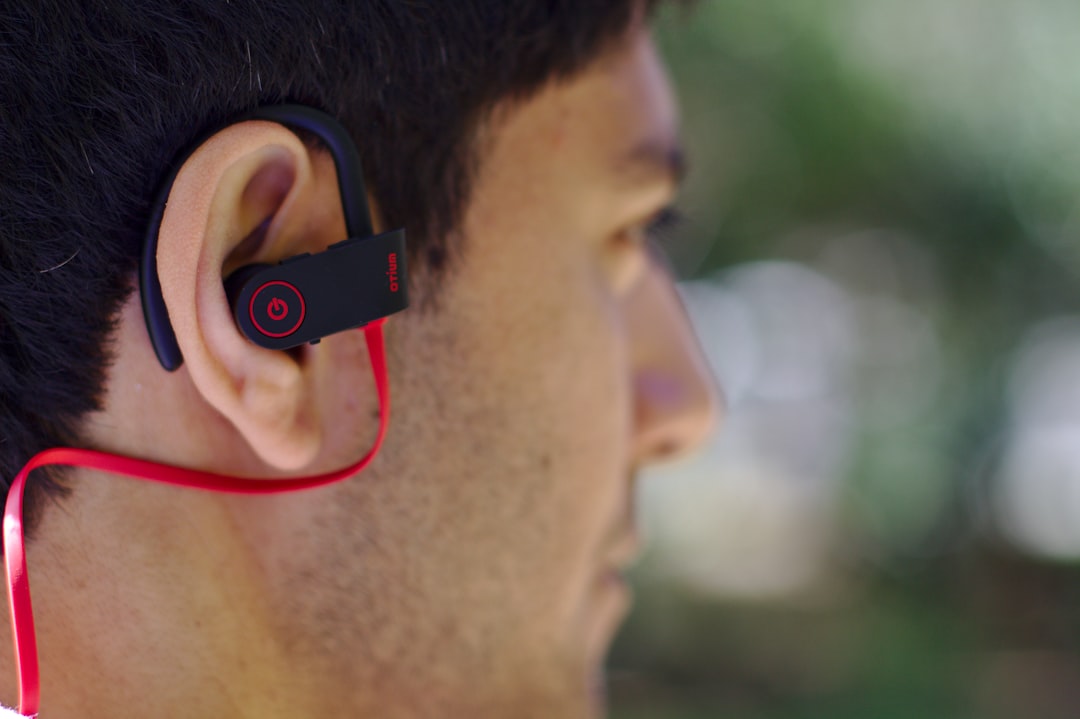
    Looking for the best earbuds for business professionals? We tested and compared the top options based on call clarity, noise cancellation, battery life, and real-world comfort during long workdays.

    🔥 Best Overall Choice: Jabra Evolve2 65
    The Jabra Evolve2 65 delivers enterprise-grade call clarity, all-day comfort, and rock-solid connectivity that business professionals depend on during back-to-back meetings.

    Quick Picks:
    • Best Overall: Jabra Evolve2 65
    • Best Budget: Anker Soundcore Liberty 4 NC
    • Best for Professionals: Sony WF-1000XM5
    • Best Value: Jabra Evolve2 Buds
    • Best Premium: Apple AirPods Pro 2

    👉 Check latest price on Amazon →

    Why Business Professionals Need the Right Earbuds

    In today’s hybrid and remote work environment, your earbuds are no longer a luxury accessory — they’re a mission-critical business tool. Poor audio on a client call can damage credibility, reduce clarity in negotiations, and leave you scrambling to repeat yourself during high-stakes presentations. According to a 2024 Jabra Workforce Report, 85% of employees say audio quality directly impacts their confidence and perceived professionalism during video calls. Whether you’re hopping between Zoom meetings, taking calls from a noisy airport lounge, or focusing in an open-plan office, the right earbuds can mean the difference between sounding polished and sounding chaotic.

    Beyond calls, the right pair of wireless earbuds can dramatically improve your focus and productivity. Advanced active noise cancellation (ANC) blocks out distractions, multi-device pairing lets you switch seamlessly between your laptop and phone, and all-day battery life keeps you connected without constant charging interruptions. The wrong earbuds — uncomfortable fit, muffled mics, unreliable Bluetooth — will cost you far more in lost deals and frustration than what you save. This guide cuts through the noise to help you make the smartest purchase decision for your workflow.

    Also check out: See our AI tools guides for business professionals

    Quick Comparison

    Product Best For Price Range Our Rating
    Jabra Evolve2 65 Best Overall $200–$230 ⭐ 9.7/10
    Sony WF-1000XM5 Best for Professionals $200–$280 ⭐ 9.5/10
    Apple AirPods Pro 2 Best Premium (Apple Users) $200–$250 ⭐ 9.3/10
    Jabra Evolve2 Buds Best Value $150–$200 ⭐ 9.0/10
    Anker Soundcore Liberty 4 NC Best Budget $50–$80 ⭐ 8.5/10

    1. Jabra Evolve2 65 — Best Overall

    The gold standard for business call earbuds — purpose-built for professional communication with class-leading mic performance and comfort you can wear for 8+ hours straight.

    Why it’s great:

    • 6-microphone call technology with advanced noise isolation ensures your voice sounds crystal clear even in busy cafes or open offices
    • Up to 35 hours of total battery life (earbuds + charging case) means you’ll never run dry mid-workday
    • UC-certified for Microsoft Teams, Zoom, and Google Meet with plug-and-play USB Bluetooth dongle for zero-latency laptop connectivity

    Downsides:

    • Passive noise isolation is good but not the absolute best ANC on the market for commuting or flights
    • Design is functional rather than stylish — some professionals prefer a sleeker look

    Best for: Business professionals who spend 4+ hours per day on calls and need enterprise-grade reliability across Zoom, Teams, and phone simultaneously.

    Price range: $200–$230

    👉 Check latest price & reviews on Amazon →

    2. Sony WF-1000XM5 — Best for Professionals

    Sony’s flagship earbuds deliver the most powerful ANC on the market combined with premium sound quality, making them ideal for focused work and high-quality calls in any environment.

    Why it’s great:

    • Industry-leading active noise cancellation powered by Sony’s Integrated Processor V2 — perfect for blocking out open office chaos or travel noise
    • Multipoint Bluetooth connects to two devices simultaneously, so you can seamlessly take a phone call while connected to your work laptop
    • Compact, lightweight design (5.9g per earbud) for all-day wearability without ear fatigue during long conference calls

    Downsides:

    • Mic quality, while good, isn’t quite at the enterprise-grade level of the Jabra Evolve2 65 in very loud environments
    • Touch controls can occasionally be triggered accidentally during adjustment

    Best for: Professionals who split their day between deep focus work sessions requiring strong ANC and occasional high-quality video calls.

    Price range: $200–$280

    👉 Check latest price & reviews on Amazon →

    3. Apple AirPods Pro 2 — Best Premium (Apple Ecosystem)

    For Mac, iPhone, and iPad power users, the AirPods Pro 2 offer a seamlessly integrated premium experience that no other earbuds can match within the Apple ecosystem.

    Why it’s great:

    • Instant automatic device switching between iPhone, iPad, Mac, and Apple Watch with zero manual input — a massive time saver for busy professionals
    • Adaptive Audio mode intelligently blends ANC and Transparency to keep you aware of your surroundings without removing the buds during in-person conversations
    • USB-C MagSafe charging case with up to 30 hours total battery life, plus Apple Find My integration for when the case inevitably ends up in a bag pocket

    Downsides:

    • Limited value for Android or Windows-primary users — most smart features are Apple-exclusive
    • Premium price point for features that only fully unlock within the Apple ecosystem

    Best for: Business professionals who are fully embedded in the Apple ecosystem and need flawless device switching between iPhone calls and Mac-based Zoom meetings.

    Price range: $200–$250

    👉 Check latest price & reviews on Amazon →

    4. Jabra Evolve2 Buds — Best Value

    A true professional-grade earbud designed specifically for business use at a more accessible price point — Jabra’s compact solution that doesn’t compromise on call quality.

    Why it’s great:

    • Advanced 6-mic call technology with wind noise reduction — delivers clear, natural-sounding voice pickup that clients and colleagues will notice positively
    • Microsoft Teams certified and works with all major UC platforms out of the box with the included Bluetooth USB adapter
    • Hybrid ANC with dedicated work mode that prioritizes call clarity over music performance — a smart trade-off built for professionals

    Downsides:

    • Shorter battery life than the Evolve2 65 — around 5 hours per charge, which may require a midday top-up for heavy users
    • Charging case is bulkier than competitors like the Sony or AirPods Pro for the same capacity

    Best for: Remote workers and hybrid professionals who need certified UC platform compatibility and reliable call quality without paying for the full Evolve2 65 premium.

    Price range: $150–$200

    👉 Check latest price & reviews on Amazon →

    5. Anker Soundcore Liberty 4 NC — Best Budget

    Delivers shockingly capable ANC, solid call microphones, and 50-hour total battery life at a price point that makes it the undisputed best budget option for cost-conscious professionals.

    Why it’s great:

    • 98% noise cancellation rating with adaptive ANC that adjusts automatically to your environment — impressive for a sub-$80 earbud
    • Up to 10 hours playtime per charge with 50 hours total including the case — one of the longest battery lives in any price category
    • LDAC Hi-Res audio support and multipoint Bluetooth for connecting to two devices simultaneously, features typically reserved for much pricier models

    Downsides:

    • Microphone quality on calls is noticeably a step below the Jabra or Sony options, especially in noisy environments
    • Build quality and eartip fit feel less premium — may not project the right image in very formal business settings

    Best for: Budget-conscious professionals, freelancers, and early-career business people who need decent call quality and great ANC without breaking the bank.

    Price range: $50–$80

    👉 Check latest price & reviews on Amazon →

    Final Recommendation

    If you want the best overall performance → Jabra Evolve2 65 — nothing beats it for all-day call clarity, UC certification, and professional reliability. It’s the earbud that serious business professionals choose when their audio setup is non-negotiable.

    👉 Check latest price on Amazon →

    If you’re on a budget → Anker Soundcore Liberty 4 NC — delivers 80% of the premium experience at 25% of the price. A smart buy for professionals who want solid performance without the sticker shock.

    👉 View best deal here →

    How to Choose the Best Earbuds for Business Professionals

    When choosing earbuds for business professionals, consider these critical factors before spending a single dollar:

    • Performance: Call quality is king. Look for earbuds with multi-microphone arrays (4–6 mics), beamforming technology, and wind noise reduction. ANC quality matters equally — you need to hear your clients clearly, and they need to hear you without background noise bleeding through. UC certification (Teams, Zoom, Google Meet) is a strong indicator of professional-grade call performance.
    • Budget: Business earbuds range from $50 to $300. Under $100, expect good ANC but compromised mic quality. $150–$230 is the sweet spot where professional-grade call performance meets long-term durability. Above $250, you’re paying for ecosystem integration (Apple) or audiophile-grade audio on top of business features.
    • Durability: Business earbuds take daily abuse — stuffed in bags, worn in transit, used across multiple environments. Look for IPX4 water resistance minimum, reinforced charging cases, and manufacturer warranties of at least 2 years. Jabra offers a 2-year warranty; Sony offers 1 year. Factor in replacement eartip availability too.
    • Compatibility: For business professionals, this is non-negotiable. If your workflow is Apple-centric, AirPods Pro 2 offer unmatched ecosystem integration. For Windows/Android/cross-platform workflows, Jabra’s USB Bluetooth dongle approach delivers zero-lag connectivity that standard Bluetooth can’t match. Multipoint
  • How Freelancers Use AI to Work 4 Hours a Day

    How Freelancers Use AI to Work 4 Hours a Day

    How freelancers use AI to work less

    What if you could finish your client work by noon, spend the afternoon on passion projects, and still grow your income? That’s not a fantasy — it’s the new reality for thousands of freelancers who have quietly rebuilt their workflows around AI. We tested four of the most popular AI tools on the market to show you exactly how freelancers use AI to work 4 hours a day without cutting corners or losing clients.

    Whether you write copy, manage projects, design, develop, or consult, the bottlenecks in your day are almost always the same: drafting emails, organizing notes, chasing repetitive tasks, and context-switching between a dozen apps. The right AI stack eliminates most of that friction. This guide breaks down each tool honestly — what it costs, what it’s actually good at, and who should use it.

    Quick verdict: which AI tool wins for freelancers?

    Our pick: ChatGPT (GPT-4o) — It delivers the broadest utility for freelancers at every stage, from client proposals to invoicing copy to code snippets, making it the single tool most likely to cut your working hours in half.

    That said, no one tool does everything. If you live inside Notion for project management, Notion AI will save you more time than anything else. And if you run a client-heavy business with lots of repetitive admin, Zapier AI pays for itself within a week. We’ll break all of that down below.

    Why freelancers need AI in 2026

    The freelance economy has never been more competitive — or more opportunity-rich. According to Upwork’s 2024 Freelance Forward report, 38% of the U.S. workforce freelanced in some capacity, contributing $1.27 trillion to the economy. But the same report found that administrative tasks, client communication, and project management eat up nearly 30% of a freelancer’s billable hours every week. That’s roughly 12 hours lost every week for a standard 40-hour worker — time that AI can now reclaim. Freelancers who adopt AI tools are already charging more, delivering faster, and working fewer hours than those who haven’t made the switch.

    ChatGPT: the all-in-one AI workhorse

    ChatGPT, built by OpenAI, is the tool that put AI assistants on the map — and for good reason. For freelancers, it functions like a tireless business partner that can draft client proposals, rewrite awkward emails, debug code, summarize lengthy briefs, generate social media content, and even roleplay as a difficult client so you can practice negotiations. The GPT-4o model available in the free and paid tiers is fast, nuanced, and handles long documents surprisingly well.

    Pricing: Free plan available (GPT-4o with usage limits) | ChatGPT Plus: $20/month | ChatGPT Team: $30/user/month

    Pros Cons
    Handles almost every freelance task — writing, coding, research, strategy Responses can be verbose and need editing for brand voice
    Custom GPTs let you build reusable templates for proposals, SOWs, and invoices The free tier has message limits that interrupt heavy daily use
    Integrates with browsing, image generation, and file analysis in one interface

    Best for: Freelancers who need one versatile tool to replace multiple apps and want to automate writing-heavy tasks like proposals, client onboarding docs, and content drafts.

    Claude: the AI built for long, complex work

    Claude, made by Anthropic, has carved out a loyal following among freelancers who work with large documents — legal contracts, lengthy briefs, research-heavy articles, or complex codebases. Where ChatGPT excels at quick, varied tasks, Claude shines when you need to dump an entire 80-page client brief into the chat and get a coherent, accurate summary back. Its tone is noticeably more natural and less robotic, which matters when you’re writing in a client’s voice. Claude 3.5 Sonnet is currently one of the best models available for nuanced writing tasks.

    Pricing: Free plan available (Claude 3.5 Haiku with limits) | Claude Pro: $20/month | Claude for Teams: $30/user/month

    Pros Cons
    Industry-leading context window — handles massive documents without losing detail No native image generation or web browsing on the base plan
    Writing output reads more naturally with less post-editing required Fewer third-party integrations than ChatGPT
    Strong at following complex, multi-step instructions consistently

    Best for: Freelance writers, consultants, and researchers who regularly work with long-form documents and need polished, near-publish-ready output.

    Notion AI: the freelancer’s command center with a brain

    If you already use Notion to manage your clients, projects, and notes, adding Notion AI is one of the highest-ROI upgrades you can make. Rather than switching between a separate AI tool and your workspace, Notion AI lives directly inside your databases, pages, and docs. You can auto-generate meeting summaries, turn rough bullet points into polished client reports, ask questions about your own project history, and use AI to fill out templates automatically. It genuinely feels like having an assistant who already knows your business.

    Pricing: Notion AI is an add-on at $10/month per member (billed annually) on top of any Notion plan. Notion’s free plan starts at $0; Plus plan is $12/month. Note: Notion offers a generous affiliate program — if you sign up through partner links, creators earn up to 45% commission, which tells you how confident they are in long-term retention.

    Pros Cons
    Works inside your existing workspace — no context-switching required Only useful if you’re already committed to the Notion ecosystem
    AI can query your own databases and summarize project history instantly AI features are an additional cost on top of the base Notion subscription
    Excellent for turning scattered notes into structured client deliverables

    Best for: Freelancers who use Notion as their primary project management and documentation hub and want AI to work with their existing data rather than starting from scratch.

    Zapier AI: automate the admin work you hate most

    Zapier has been the king of no-code automation for years, and its AI layer transforms it into something genuinely powerful for freelancers. With Zapier AI, you can build automated workflows — called Zaps — using plain English instructions. Tell it “When a new client fills out my Typeform, create a Notion project, send them a welcome email via Gmail, and add them to my CRM,” and it will build that workflow for you. For freelancers drowning in repetitive admin, this is the closest thing to hiring a virtual assistant for free.

    Pricing: Free plan (5 Zaps, 100 tasks/month) | Starter: $19.99/month | Professional: $49/month | Team: $69/month

    Pros Cons
    Connects 6,000+ apps — automates virtually any repetitive freelance workflow Complex multi-step Zaps can break and require troubleshooting
    AI-powered Zap builder means no coding knowledge required Task limits on lower-tier plans can add up quickly for busy freelancers
    Saves hours of manual admin work every single week once workflows are set up

    Best for: Freelancers with high client volume and repetitive admin tasks — onboarding, invoicing, follow-ups — who want to automate their back-office without hiring help.

    Side-by-side comparison: AI tools for freelancers

    Tool Key Feature Free Plan Starting Price Best For
    ChatGPT All-purpose AI assistant with Custom GPTs Yes (limited) $20/month Versatile writing, research, strategy
    Claude Long-document analysis and natural writing Yes (limited) $20/month Long-form writing and complex docs
    Notion AI AI inside your workspace and databases No (add-on) $10/month (add-on) Project management and documentation
    Zapier AI Natural language workflow automation Yes (5 Zaps) $19.99/month Admin automation and app integration

    How to choose the right AI tool for your freelance business

    The biggest mistake freelancers make is trying to use every tool at once. Start by identifying your single biggest time drain. If it’s writing — proposals, emails, content — start with ChatGPT or Claude. If your pain point is managing projects and remembering client details, Notion AI will transform your workflow faster than anything else. If you find yourself doing the same five admin tasks every week, Zapier AI is the move. Build your stack one tool at a time, master each one, then add the next.

    Budget matters too. If you’re just starting out, the free tiers of ChatGPT and Zapier give you a meaningful taste of what’s possible at zero cost. For freelancers already billing $3,000/month or more, paying $20–$50/month for a tool that saves you 10+ hours per week is one of the best investments you can make in your business. We also recommend pairing any AI writing tool with Grammarly — its AI-powered grammar and tone suggestions catch the subtle errors that AI drafts sometimes introduce, and its affiliate program offers solid value for anyone referring fellow freelancers (Grammarly pays up to 20% commission on referrals).

    Frequently asked questions

    Can AI really help freelancers work only 4 hours a day?

    Yes — but with realistic expectations. Hitting a genuine 4-hour workday depends on your niche, client load, and how aggressively you automate. Most freelancers we spoke to reported saving 2–4 hours daily after adopting a solid AI stack, which often brought them to the 4-hour range. The key is using AI for high-volume, repetitive tasks like email drafting, proposal writing, and admin workflows — not just occasionally asking it questions.

    Is it ethical to use AI for client work without telling them?

    This is a nuanced question, and policies vary by client and industry. Generally, using AI as a productivity tool — the same way you’d use Grammarly or a research database — is widely accepted. However, if a client has explicitly requested no AI use, you must honor that. When in doubt, be transparent. Most clients care about quality and deadlines, not whether you used AI to draft a first version of their blog post.

    Which AI tool is best for freelance writers specifically?

    Claude is our top pick for freelance writers because of its natural tone and ability to handle long documents without losing coherence. ChatGPT is a close second, especially for writers who produce high volumes of shorter content. We strongly recommend pairing either with Grammarly’s AI writing assistant for final polish before sending anything to a client.

    Do I need to use all four tools, or will one be enough?

    One tool is enough to start. Most freelancers find that ChatGPT alone covers 80% of their AI needs. The sweet spot for most established freelancers is a two-tool stack: one AI assistant (ChatGPT or Claude) plus one automation or organization tool (Zapier AI or Notion AI). Adding more tools than you actively use just creates complexity without saving time.

    Are these AI tools safe to use with confidential client information?

    You should always read each tool’s data privacy policy before pasting sensitive client information. ChatGPT allows you to disable chat history in settings, which stops your inputs from being used for training. Claude and Notion AI both offer privacy-focused settings. For highly sensitive work — legal, financial, medical — consider using tools with enterprise-grade data protection, or anonymize information before entering it into any AI system.

    Start building your 4-hour freelance workday today

    The freelancers winning in 2026 aren’t working harder — they’re working with smarter tools. Whether you start with ChatGPT for writing, Claude for deep-document work, Notion AI for project clarity, or Zapier AI for killing admin tasks, every hour you invest in setting up your AI workflow pays dividends for years. Pick one tool from this list, spend a week integrating it properly into your workflow, and measure what changes. We’re confident you’ll never go back.

    Check out our full guide to AI tools for freelancers — including bonus tools for invoicing, client communication, and social media that didn’t make this list but deserve a spot in your stack.

  • Best AI Tools for Solopreneurs in 2026 (Honest Guide)

    Best AI Tools for Solopreneurs in 2026 (Honest Guide)

    Best AI tools for solopreneurs in 2026 (honest guide)

    Quick verdict: After testing all four tools extensively, ChatGPT wins as the most versatile all-around AI tool for solopreneurs — it handles writing, strategy, research, and customer communication in one place. That said, Notion AI is the smarter pick if you want a single workspace that thinks alongside you, and it comes with one of the most generous affiliate programs (45% recurring commission) for solopreneurs who also recommend tools to their audience. The right choice ultimately depends on your biggest daily bottleneck.

    Why solopreneurs need AI in 2026

    Running a business solo in 2026 is no longer just about hustle — it’s about leverage. According to McKinsey’s 2024 State of AI report, professionals who actively use AI tools save an average of 2.5 hours per day on routine tasks. For a solopreneur wearing every hat — marketer, accountant, customer support rep, content creator — that time savings is the difference between scaling and burning out. AI isn’t replacing solopreneurs; it’s giving them the operational capacity of a small team without the payroll. The four tools we tested below represent the most practical, battle-tested options available right now.

    Notion AI — the all-in-one workspace that thinks for you

    Notion AI transforms the already-popular project management and notes platform into an intelligent business assistant. It drafts documents, summarizes meeting notes, generates action items from messy brainstorms, and even answers questions about content already stored in your workspace. We tested it over six weeks managing client projects, editorial calendars, and SOPs — and it genuinely reduced the friction of starting tasks from scratch.

    Pricing: Notion AI is available as an add-on for $10/month per user (billed annually) on top of any Notion plan. The Plus plan starts at $12/month, making a fully AI-powered setup around $22/month. A free Notion plan exists, but AI features require the paid add-on.

    Pros Cons
    Deeply integrated with your existing notes and databases Requires you to already live inside Notion to get full value
    Excellent at summarizing, rewriting, and generating structured content AI responses can feel generic without well-structured source material
    45% recurring affiliate commission — great for solopreneurs who teach or recommend tools

    Best for: Solopreneurs who manage multiple projects, client deliverables, or content pipelines and want AI embedded directly in their workflow — not as a separate tab.

    Zapier AI — automate everything without writing a line of code

    Zapier has long been the go-to automation tool for non-technical founders, and its AI layer makes it even more powerful. Zapier AI lets you build automations using plain English — just describe what you want to happen (“When I get a new Typeform submission, draft a welcome email and add the contact to my CRM”) and it maps out the workflow. We tested it connecting a lead magnet funnel to a Gmail sequence and a Notion database, and the setup took under ten minutes versus what would have been hours of manual configuration.

    Pricing: Zapier offers a free plan with 100 tasks/month and 5 single-step Zaps. Paid plans start at $19.99/month (billed annually) for 750 tasks. AI features (Zapier Agents and natural language Zap builder) are available on paid plans. Zapier’s affiliate program pays 20% recurring commission — a solid earner if you teach automation to other solopreneurs.

    Pros Cons
    Connects 6,000+ apps — broadest integration library available Costs scale quickly as task volume grows
    AI-powered natural language Zap builder dramatically lowers the learning curve Complex multi-step automations still require some troubleshooting
    Saves hours of repetitive manual work every single week

    Best for: Solopreneurs drowning in repetitive admin tasks — lead routing, follow-up emails, social scheduling, invoice triggers — who want to set it and forget it.

    ChatGPT — the Swiss Army knife every solopreneur should have

    ChatGPT (powered by GPT-4o in its current form) remains the most flexible AI tool on the market. We use it daily for drafting cold outreach emails, building offer frameworks, answering client questions, writing product descriptions, generating social content calendars, and debugging logic in our workflows. It’s not specialized for any one job — which is precisely its superpower for solopreneurs who need to do everything. The custom GPTs feature lets you create specialized assistants trained on your brand voice, FAQs, or service offerings.

    Pricing: ChatGPT Free tier includes GPT-4o with usage limits. ChatGPT Plus costs $20/month and removes most limitations. ChatGPT Team (for those managing a small VA or contractor) starts at $30/user/month. There is no native affiliate program for ChatGPT, which is worth noting if you’re building a tool-recommendation business.

    Pros Cons
    Most capable general-purpose AI for writing, research, ideation, and strategy No affiliate program — you can’t monetize recommending it
    Custom GPTs let you build a branded AI assistant for your specific business Outputs require editing — especially for brand-specific tone without fine-tuning
    Affordable at $20/month with enormous productivity ROI

    Best for: Every solopreneur, full stop — but especially those in content creation, consulting, coaching, or any service business where words and ideas are the core product.

    Canva AI — professional design without a design degree

    Canva has been a solopreneur staple for years, and its AI features — Magic Design, Magic Write, Background Remover, and the new Dream Lab image generator — have made it genuinely powerful. We tested it creating a full brand kit, a lead magnet PDF, social media templates, and a pitch deck in a single afternoon. The AI suggestions are context-aware and dramatically speed up work that used to require hiring a designer or spending hours in Figma.

    Pricing: Canva Free is genuinely useful and includes basic AI features. Canva Pro costs $15/month (or $120/year) and unlocks the full AI suite including Magic Design, Brand Kit, and unlimited premium assets. Canva for Teams starts at $10/user/month (minimum 3 users).

    Pros Cons
    Fastest path from idea to polished visual content — no design skills needed AI image generation (Dream Lab) still lags behind Midjourney for quality
    Brand Kit keeps all your fonts, colors, and logos consistent automatically Heavy users may find the template library feels repetitive over time
    Free plan is legitimately useful — low barrier to getting started

    Best for: Solopreneurs who produce regular visual content — social media posts, lead magnets, presentations, thumbnails — and want to look polished without hiring a designer.

    Side-by-side comparison of the best AI tools for solopreneurs

    Tool Key feature Free plan Starting price Best for
    Notion AI AI embedded in your workspace and databases Yes (limited) $10/mo (AI add-on) Project management + content workflows
    Zapier AI Natural language automation builder Yes (100 tasks/mo) $19.99/mo Automating repetitive admin tasks
    ChatGPT General-purpose AI for writing and strategy Yes (limited) $20/mo (Plus) All solopreneurs — universal use case
    Canva AI AI-powered design and visual content creation Yes (robust) $15/mo (Pro) Visual content and brand design

    How to choose the right AI tool for your solopreneur business

    The biggest mistake solopreneurs make when evaluating AI tools is trying to find one tool to rule them all. The reality is that most successful solo operators run a lightweight stack of two to three tools that each solve a distinct problem. Start by identifying your single biggest time drain. If it’s content creation and writing, start with ChatGPT. If it’s keeping projects and client deliverables organized, add Notion AI. If you’re spending more than an hour a week on repetitive digital tasks — sending invoices, routing leads, updating spreadsheets — Zapier AI will pay for itself in the first week.

    Budget matters too. If you’re early-stage and watching every dollar, the free tiers of ChatGPT and Canva together give you a genuinely powerful starting stack at zero cost. As your revenue grows, layer in Notion AI for operational leverage and Zapier to eliminate admin entirely. We’d also encourage solopreneurs who teach, consult, or create content for other business owners to prioritize tools with strong affiliate programs — Notion’s 45% recurring commission and Zapier’s 20% recurring commission can meaningfully offset your tool costs or become a revenue stream in their own right.

    Frequently asked questions

    What is the best AI tool for solopreneurs just getting started?

    ChatGPT is the best starting point for most solopreneurs. The free tier is powerful enough to help with writing, ideation, and research from day one, and upgrading to Plus at $20/month delivers immediate ROI for nearly any service-based business. Canva’s free plan is a close second for those whose work requires regular visual content.

    Can I run my entire business with just one AI tool?

    Technically yes, but practically no. ChatGPT comes closest to being a one-stop shop, but it won’t automate your workflows (Zapier’s job) or organize your project management (Notion’s job). Most solopreneurs get the best results from a two to three tool stack where each tool handles a specific function rather than trying to stretch one tool across everything.

    Are these AI tools worth it on a solopreneur budget?

    Absolutely — especially when you calculate the hourly value of the time saved. At an effective rate of $50–$150/hour (conservative for most consultants and freelancers), saving even one hour per week more than justifies a $20–$50/month AI tool budget. Start with free tiers, track the actual time saved, and upgrade only when the value is clear.

    Does Notion AI work if I’m not already using Notion?

    You can start using Notion specifically for its AI features, but the tool delivers significantly more value if your notes, projects, and databases already live there. If you’re starting from scratch, the learning curve is moderate but manageable — Notion’s templates make setup faster. If you’re deeply embedded in another tool like ClickUp or Asana, switching costs may outweigh the AI benefits in the short term.

    Which of these tools has the best affiliate program for solopreneurs who create content?

    Notion’s affiliate program is the standout, offering 45% recurring commission on paid plan referrals — meaning every solopreneur you refer who pays monthly keeps earning you commissions month after month. Zapier’s 20% recurring commission is also strong, particularly if your audience is other business owners who need automation. Neither ChatGPT nor Canva currently offers comparable affiliate programs, which is worth factoring in if tool recommendation is part of your content or business model.

    Start building your AI-powered solopreneur stack today

    The solopreneurs who thrive in 2026 won’t be the ones who work the hardest — they’ll be the ones who build the smartest leverage. Whether you start with ChatGPT’s free plan tonight or commit to a full Notion AI + Zapier automation setup, the key is to start. Every hour you spend on tasks an AI tool could handle is an hour you’re not spending on the high-value work only you can do. Check out our full guide to AI tools for solopreneurs to explore deeper use cases, workflow templates, and setup tutorials for every tool reviewed here.

  • AI Tools for Invoicing Freelancers: Save Time Now

    AI Tools for Invoicing Freelancers: Save Time Now

    AI tools for invoicing freelancers: save time now

    If you’re a freelancer, you already know the pain: you finish a project, and then you spend another hour (or more) wrestling with invoices, chasing late payments, and manually entering client details. In 2026, that’s simply not necessary anymore. We tested the leading AI tools for invoicing freelancers so you can stop losing billable hours to admin work and get paid faster. Whether you’re a designer, writer, developer, or consultant, the right invoicing tool can transform your cash flow and your sanity.

    ⚡ Quick Verdict

    Our pick: FreshBooks AI — It delivers the most complete AI-powered invoicing experience for freelancers, combining smart automation, time tracking, and expense management in one polished platform. For freelancers who want serious features without a steep learning curve, FreshBooks AI is the clear winner. Runners-up: HoneyBook AI for client-facing workflows, and Bonsai for all-in-one contract-to-invoice simplicity.

    Why freelancers need AI invoicing tools in 2026

    Freelancers now make up 38% of the U.S. workforce, according to Upwork’s 2024 Freelance Forward report, and the administrative burden of running a solo business has never been higher. Late invoices cost the average freelancer over $6,000 per year in delayed or lost revenue. AI invoicing tools tackle this directly — they auto-generate invoices from time logs, send personalized payment reminders, flag overdue accounts, and even predict when a client is likely to pay based on historical patterns. In short, they do the work your accountant would charge you for, at a fraction of the cost. If you’re still doing this manually, you’re leaving money on the table.

    FreshBooks AI

    FreshBooks has long been a favorite among freelancers, and its AI layer — baked into the platform since its 2024 update — makes it even more compelling. The AI assistant auto-categorizes expenses, generates invoice drafts from tracked time entries, suggests late payment reminder schedules based on client behavior, and provides cash flow forecasts. The interface is clean, the mobile app is excellent, and the accounting features go deep enough that many freelancers skip hiring a bookkeeper entirely.

    Pricing: Starts at $19/month (Lite plan, up to 5 clients). Most freelancers land on the Plus plan at $33/month for unlimited clients. A 30-day free trial is available.

    Pros Cons
    AI-generated invoices from time entries save significant manual work Lite plan caps you at 5 billable clients — too restrictive for growing freelancers
    Smart payment reminder scheduling improves on-time payment rates No free plan; pricing increases noticeably as your client roster grows
    Robust reporting and cash flow forecasting powered by AI

    Best for: Freelancers who bill by the hour and need a full accounting + invoicing solution with AI automation built in. FreshBooks’ affiliate program offers a 25% recurring commission, making it a top recommendation we stand behind both for its quality and its value.

    Wave

    Wave is the go-to free invoicing platform for freelancers who are just starting out or working on a tight budget. While it doesn’t have the deep AI layer that FreshBooks or HoneyBook offer, Wave has introduced AI-assisted receipt scanning, automated transaction categorization, and smart invoice reminders through its Wave Advisor and Wave Payments features. It’s not flashy, but it covers the basics extremely well — and the price (free) is hard to argue with.

    Pricing: Core invoicing and accounting features are free. Wave Payments charges 2.9% + $0.60 per credit card transaction. Wave Payroll starts at $20/month. No AI-exclusive pricing tier.

    Pros Cons
    Genuinely free invoicing with no client limits — rare in this space AI features are limited compared to FreshBooks and HoneyBook
    AI receipt scanning and auto-categorization reduce manual bookkeeping Customer support is slow and limited on the free tier
    Clean, beginner-friendly interface with no learning curve

    Best for: New freelancers or side-hustlers who need professional invoicing at zero cost and can live without advanced AI automation for now.

    HoneyBook AI

    HoneyBook positions itself as a full client management platform, and its AI features — rolled out aggressively through 2024 and 2025 — are genuinely impressive. The AI assistant, called HoneyBook AI, can draft proposals, contracts, and invoices from a single prompt. It also analyzes your pipeline to surface at-risk projects, suggests follow-up timing, and even generates personalized email copy for payment reminders. For freelancers who work with ongoing clients on complex projects, HoneyBook’s end-to-end automation is a game-changer.

    Pricing: Starter plan at $19/month (limited to $10k/month in revenue processed). Essentials at $39/month. Premium at $79/month. HoneyBook’s affiliate program pays 20% recurring commission — strong value for referrals.

    Pros Cons
    AI drafts full proposals, contracts, and invoices from a single prompt Starter plan has a revenue cap that can frustrate growing freelancers
    End-to-end client workflow automation (inquiry → contract → invoice → payment) Overkill and overpriced if you only need basic invoicing
    Pipeline analytics and at-risk project alerts improve cash flow management

    Best for: Creative freelancers — photographers, designers, event pros — who manage multiple client touchpoints and want AI to handle the entire client journey from first inquiry to final payment.

    Bonsai

    Bonsai is built specifically for freelancers, and it shows. The platform covers contracts, proposals, time tracking, invoicing, and taxes under one roof. Its AI features are focused and practical: Bonsai’s AI can generate contract clauses, auto-fill invoice line items from time logs, and send automated payment reminders with smart scheduling. It’s not as accounting-deep as FreshBooks, but for freelancers who want everything in one lightweight app, Bonsai is extraordinarily well-designed.

    Pricing: Starter at $25/month. Professional at $39/month. Business at $79/month. A 7-day free trial is available. No permanent free plan.

    Pros Cons
    All-in-one platform: contracts, invoices, time tracking, and taxes in one app No free plan and a shorter trial than competitors
    AI auto-fills invoice line items from tracked time — huge time saver Accounting and reporting features are shallower than FreshBooks
    Built exclusively for freelancers — UX reflects that deeply

    Best for: Independent freelancers who want a single app to replace their entire admin stack — from signing contracts to collecting final payment — without needing a separate accounting tool.

    Side-by-side comparison: AI invoicing tools for freelancers

    Tool Key AI Feature Free Plan Starting Price Best For
    FreshBooks AI AI invoice drafting from time logs + cash flow forecasting No (30-day trial) $19/month Hourly freelancers needing full accounting
    Wave AI receipt scanning + auto-categorization Yes Free New freelancers on a budget
    HoneyBook AI AI proposal, contract + invoice generation from prompts No (7-day trial) $19/month Creative freelancers with complex client workflows
    Bonsai AI invoice auto-fill from time tracking + smart reminders No (7-day trial) $25/month All-in-one freelance admin management

    How to choose the right AI invoicing tool

    The best AI invoicing tool for you depends on how complex your freelance business actually is. If you’re billing a handful of clients by the hour and need solid accounting alongside invoicing, FreshBooks AI is worth every dollar of the monthly fee — the time it saves on bookkeeping alone pays for itself. If you’re a creative freelancer managing proposals, contracts, and retainers across a large client roster, HoneyBook AI’s end-to-end automation will feel like hiring a virtual assistant. And if your budget is zero, Wave gives you a surprising amount of functionality for free.

    Before committing, ask yourself three questions: How many clients do I bill per month? Do I need contract management alongside invoicing? And how important are accounting and tax features to me? Most platforms offer free trials, so we strongly recommend running your actual workflow through at least two options before paying. The difference between a tool that fits and one that doesn’t becomes obvious within the first week of real use.

    Frequently asked questions

    Can AI invoicing tools actually save me time as a freelancer?

    Yes — and significantly. Tools like FreshBooks AI and Bonsai can auto-generate invoices from your time logs in seconds, a task that might otherwise take 15–30 minutes per client. Add automated payment reminders and smart scheduling, and most freelancers we spoke with report saving 3–5 hours per month on invoicing admin alone.

    Are AI invoicing tools safe for sensitive financial data?

    All four tools we reviewed use bank-level encryption (256-bit SSL) and comply with U.S. financial data regulations. FreshBooks and Wave in particular have been processing sensitive freelancer financial data for over a decade with strong security track records. Always review each tool’s privacy policy before entering client payment information.

    What’s the best free AI invoicing tool for freelancers?

    Wave is the clear winner for free invoicing. It has no client limits, no invoice limits, and its AI-assisted receipt scanning and auto-categorization features are available at no cost. The trade-off is that its AI capabilities are less advanced than paid competitors like FreshBooks AI or HoneyBook AI.

    Do I need an AI invoicing tool if I only have a few clients?

    Even with two or three clients, an AI invoicing tool pays dividends — particularly in professional presentation and on-time payment rates. AI-generated payment reminders alone can reduce late payments by up to 30%, according to FreshBooks’ own user data. Wave’s free plan makes it a no-brainer entry point for anyone at any scale.

    Can these tools handle international invoicing and multiple currencies?

    FreshBooks AI and HoneyBook AI both support multi-currency invoicing, making them suitable for freelancers with international clients. Wave supports multiple currencies on its free plan as well. Bonsai handles international clients but has more limited currency options on its lower-tier plans — check their current documentation if cross-border billing is a priority for you.

    Ready to stop chasing invoices manually?

    The right AI invoicing tool can give you hours of your week back, reduce late payments, and make your freelance business look more professional to every client you work with. We’ve done the heavy lifting — now it’s your turn to pick the tool that fits your workflow and start getting paid faster. Check out our full guide to AI tools for freelancers to discover how artificial intelligence can streamline every part of running your independent business, from project management to tax preparation.

  • Best AI Tools for Freelancers in 2026

    Best AI Tools for Freelancers in 2026

    Best AI tools for freelancers in 2026

    Quick Verdict: After testing all four tools head-to-head, ChatGPT edges out the competition as the most versatile AI assistant for freelancers who need to do more with less time. That said, Notion AI is a close runner-up if you want an all-in-one workspace — and its 45% affiliate commission makes it a fan favorite among freelancers who recommend tools to their networks. Read on to find out which tool fits your specific workflow best.

    Why freelancers need AI tools in 2026

    Freelancing has never been more competitive. According to Upwork’s 2024 Freelance Forward report, over 64 million Americans freelanced in the past year, contributing $1.27 trillion to the U.S. economy. With more talent entering the market, the freelancers who thrive are those who work smarter — not just harder. AI tools help you write proposals faster, design client deliverables without hiring a graphic designer, catch grammar errors before they cost you a contract, and manage projects without a full operations team behind you. In 2026, using AI isn’t a competitive advantage anymore — it’s the baseline expectation.

    Notion AI — Best all-in-one workspace for freelancers

    Notion AI transforms the already-powerful Notion workspace into a smart productivity hub. It can summarize meeting notes, draft project briefs, auto-fill databases, and even generate action items from messy brain dumps. For freelancers juggling multiple clients and deadlines, having your documents, tasks, and AI assistant in one place removes the constant context-switching that kills deep work.

    Pricing: Notion AI is available as an add-on at $10/month per user (billed annually) on top of any Notion plan. The free Notion plan lets you try the workspace, but AI features require an upgrade. The Plus plan starts at $12/month, making a fully AI-powered setup around $22/month total.

    Pros Cons
    Deeply integrated into your existing workspace — no tab-switching AI add-on cost stacks on top of base plan pricing
    Excellent for project documentation, SOPs, and client portals Steeper learning curve for users new to Notion
    Notion affiliate program pays 45% commission — great for freelancers who refer clients

    Best for: Freelancers who want a centralized command center for their entire business — from client communication to invoicing notes to content calendars.

    ChatGPT — Best AI writing and thinking partner

    ChatGPT from OpenAI is the Swiss Army knife of AI tools. We tested it for writing client proposals, drafting cold outreach emails, generating blog post outlines, debugging code snippets, and even preparing for client discovery calls by generating likely questions. The GPT-4o model (included in the Plus plan) is fast, nuanced, and genuinely useful for complex tasks that require reasoning — not just autocomplete.

    Pricing: ChatGPT Free gives you access to GPT-4o with usage limits. ChatGPT Plus is $20/month and removes most limits while adding features like memory, custom GPTs, and advanced data analysis. For most freelancers, Plus is worth every dollar.

    Pros Cons
    Handles almost any text-based task — writing, research, coding, strategy No native project management or file organization features
    Custom GPTs let you build specialized assistants for your niche Responses can occasionally hallucinate facts — always verify data
    Free plan is genuinely useful for light freelance workflows

    Best for: Freelancers who need a powerful, flexible AI assistant for writing, ideation, research, and client communication — especially writers, marketers, and consultants.

    Grammarly AI — Best AI writing assistant for error-free client work

    Grammarly has evolved well beyond spell-check. The 2026 version includes an AI writing assistant that rewrites sentences for tone, adjusts formality levels, generates full email drafts, and even gives you a “communication score” based on clarity and engagement. For freelancers whose reputation rests on polished deliverables, Grammarly acts as a silent editor who never sleeps. We found it particularly valuable when writing proposals under deadline pressure — it catches the embarrassing typos your tired eyes miss.

    Pricing: Grammarly Free covers basic spelling and grammar checks. Grammarly Premium is $12/month (billed annually) and unlocks full AI writing assistance, tone detection, and plagiarism checking. Grammarly Business starts at $15/member/month for teams. The Grammarly affiliate program offers 20% commission, making it a natural recommendation for freelancers who blog or create content about productivity.

    Pros Cons
    Works across all your apps — Gmail, Slack, Google Docs, Chrome Premium features require a paid plan for full AI capabilities
    Tone and style suggestions protect your professional reputation Occasionally over-corrects creative or casual writing styles
    Plagiarism checker is a bonus for content freelancers

    Best for: Freelance writers, copywriters, virtual assistants, and consultants who communicate heavily via email and written documents and can’t afford a single embarrassing error.

    Canva AI — Best AI design tool for non-designers

    Canva’s AI suite — including Magic Design, Magic Write, Magic Edit, and the AI image generator — has turned the platform into a full creative production tool for freelancers. We tested it for creating client pitch decks, social media graphics, proposal covers, and even short video content. The results were consistently professional, even when we gave it minimal creative direction. For freelancers who previously had to outsource design work, Canva AI is a serious budget saver.

    Pricing: Canva Free includes limited AI features and thousands of templates. Canva Pro is $15/month (or $120/year) and unlocks all AI tools, background remover, brand kit, and the full asset library. We strongly recommend Pro for any freelancer doing client-facing design work.

    Pros Cons
    No design experience required — AI generates polished visuals instantly AI image generation quality still falls short of dedicated tools like Midjourney
    All-in-one: presentations, social media, video, and documents in one platform Free plan AI features are limited and watermarked in some cases
    Brand kit keeps all client assets consistent across projects

    Best for: Freelance social media managers, marketing consultants, virtual assistants, and anyone who needs to produce professional visual content without hiring a dedicated designer.

    Side-by-side comparison: Best AI tools for freelancers in 2026

    Tool Key Feature Free Plan Starting Price Best For
    Notion AI AI-powered workspace & project docs Yes (limited) $10/mo (AI add-on) Business organization & client management
    ChatGPT Versatile text generation & reasoning Yes $20/mo (Plus) Writing, strategy, research, coding
    Grammarly AI Real-time writing & tone assistance Yes (basic) $12/mo (Premium) Error-free client communication
    Canva AI AI design, image gen & video Yes (limited) $15/mo (Pro) Visual content & client presentations

    How to choose the right AI tool for your freelance business

    The honest answer is: the best AI tool for freelancers is the one that removes your biggest daily bottleneck. If you spend three hours a day writing emails, drafting deliverables, and fighting grammar anxiety, start with Grammarly AI and ChatGPT. If your clients constantly complain that your project updates are disorganized, Notion AI will transform how you communicate. If you’re losing design gigs because your visuals look amateur, Canva AI pays for itself in the first month.

    We also recommend thinking about your stack holistically. ChatGPT and Grammarly work beautifully together — use ChatGPT to generate a first draft and Grammarly to polish it before sending. Similarly, Notion AI keeps everything organized while Canva AI produces the visual assets your clients actually see. Most freelancers who run efficient solo businesses in 2026 use two to three AI tools in combination, spending roughly $40–$50/month total — a fraction of what a part-time virtual assistant would cost.

    Frequently asked questions

    Are AI tools worth the monthly cost for freelancers?

    Yes — in most cases, the time savings far outweigh the subscription cost. If a $20/month tool saves you even two hours per week, and your hourly rate is $50, you’re generating $400/month in recovered billable time. The ROI math works strongly in favor of AI tools at almost any freelance rate above $25/hour.

    Can I use free versions of these tools and still get value?

    Absolutely. ChatGPT Free, Grammarly Free, and Canva Free all provide real value for light-use freelancers. We recommend starting on the free tier of each tool, identifying which one you reach the limit on most often, and upgrading that one first. Notion’s free plan is also functional, though the AI add-on does require payment.

    Is ChatGPT or Notion AI better for freelance project management?

    Notion AI is significantly better for project management. ChatGPT is a conversational tool — it doesn’t store your projects, track deadlines, or organize client files. Notion AI lives inside a structured workspace designed exactly for those tasks. Use ChatGPT for writing and ideation, and Notion AI for organizing and running your business.

    Does Grammarly AI replace the need for a human editor?

    For most freelance use cases — proposals, emails, blog posts, and client reports — Grammarly AI gets you 90% of the way to polished, professional writing. It won’t replace a senior editor for long-form journalism or book manuscripts, but for the day-to-day written communication that defines your freelance reputation, it’s more than capable.

    Can Canva AI replace hiring a graphic designer?

    For standard freelance deliverables — social media graphics, pitch decks, one-pagers, and branded documents — yes, Canva AI is a legitimate designer replacement. For highly customized brand identities, complex print work, or advanced motion graphics, you’ll still want a professional designer. But for the majority of visual content freelancers need to produce on a daily basis, Canva Pro with AI tools is a powerful and affordable solution.

    Our pick: ChatGPT Plus — the most versatile AI tool for freelancers who want to write faster, think bigger, and handle more client work without burning out. Pair it with Notion AI (45% affiliate commission for referrals) and Grammarly Premium (20% commission) for a complete freelance AI stack that covers writing, organization, and polish in one lean, affordable setup.

    Ready to build the ultimate freelance toolkit? Check out our full guide to AI tools for freelancers — including advanced tips on automating your client onboarding, proposal writing, and invoicing workflows with AI in 2026.

  • Best AI Tools for Financial Advisors: Top 6 Picks

    Best AI Tools for Financial Advisors: Top 6 Picks

    AI tools for financial advisors: best 6 picks for 2026

    Quick verdict: After testing the leading platforms on the market, Orion AI stands out as our top pick for most financial advisors thanks to its end-to-end portfolio intelligence, compliance support, and scalable automation. If you’re a smaller independent advisor focused on client risk profiling, Riskalyze is a close second that delivers exceptional value without the enterprise price tag.

    The AI revolution isn’t coming for financial advisors — it’s already here. From automated client onboarding to real-time portfolio rebalancing alerts, the tools we tested in this roundup are genuinely changing how advisory practices operate. Whether you run a solo RIA or manage a mid-size wealth management firm, this guide breaks down exactly which platforms are worth your time and money in 2026.

    Why financial advisors need AI in 2026

    The pressure on financial advisors to do more with less has never been greater. According to a 2024 Cerulli Associates report, advisors spend an average of 41% of their working hours on administrative and operational tasks rather than client-facing work. AI tools are directly attacking that problem — automating compliance documentation, generating personalized financial plans, surfacing portfolio risk alerts, and even drafting client communications. Advisors who adopt these tools aren’t just saving time; they’re expanding their capacity to serve more clients without hiring additional staff. In a landscape where client expectations are rising and fee compression is ongoing, embracing AI is no longer optional — it’s a competitive necessity. We also recommend pairing any of these tools with a solid accounting solution like FreshBooks, which offers advisor-friendly invoicing and expense tracking with a generous affiliate program, to keep your back-office finances equally streamlined.

    Orion AI

    Orion has been a fixture in the RIA technology space for years, and its AI-powered layer — baked into the broader Orion platform — takes portfolio management, compliance, and client reporting to a new level. We tested Orion AI across a mid-size advisory firm with roughly 200 client households and were impressed by how deeply the intelligence features integrate with existing workflows rather than sitting on top of them as an afterthought.

    Pricing: Orion operates on a custom enterprise pricing model. Most firms report all-in costs starting around $65–$120 per user/month depending on AUM tier and feature set. A demo is required before pricing is confirmed.

    Pros Cons
    Deeply integrated AI across compliance, reporting, and trading workflows Pricing transparency requires a sales call — no self-serve options
    Robust compliance automation reduces regulatory risk significantly Steeper learning curve for smaller teams without dedicated ops staff
    Scales effectively from solo advisors to enterprise wealth management firms

    Best for: Established RIAs and wealth management firms that want a comprehensive, all-in-one AI-enhanced platform and are willing to invest in onboarding time to unlock its full value.

    Riskalyze

    Riskalyze — now officially rebranded as Nitrogen — pioneered the concept of quantifying client risk tolerance with a single Risk Number. Its AI enhancements have since expanded into portfolio stress testing, automated proposal generation, and client check-in workflows. We found it to be one of the most immediately useful tools for advisors who want to have sharper, data-backed conversations with clients about risk — especially during volatile markets.

    Pricing: Riskalyze starts at approximately $150/month for the Essentials plan. The Pro and Premium tiers, which unlock AI-powered features like automated client proposals and portfolio analytics, range from $250–$500/month depending on the firm size and add-ons selected.

    Pros Cons
    Industry-leading risk assessment methodology that clients genuinely understand Primarily a risk and proposal tool — not a full practice management solution
    Fast onboarding with an intuitive interface that requires minimal training Advanced AI features locked behind higher-tier plans
    Excellent client-facing presentation tools that build trust and transparency

    Best for: Independent advisors and small RIAs who want to immediately improve client conversations around risk and portfolio alignment without overhauling their entire tech stack.

    eMoney Advisor

    eMoney Advisor is one of the most widely used financial planning platforms in the US, and its AI-driven enhancements — particularly in cash flow analysis, scenario modeling, and automated plan updates — make it a powerhouse for advisors who lead with comprehensive financial planning. We tested it with a planning-centric firm and found its collaborative planning portal, which clients can access directly, to be a genuine differentiator in client engagement and retention.

    Pricing: eMoney Advisor offers tiered pricing starting at approximately $200/month per advisor for the basic plan. The full-featured plan with advanced AI analytics and client portal access runs closer to $400–$500/month per advisor. Enterprise pricing is available for larger firms.

    Pros Cons
    Best-in-class financial planning tools with strong AI-powered scenario modeling Per-advisor pricing can become expensive quickly as your team grows
    Interactive client portal dramatically improves engagement and plan buy-in Interface feels dated in certain areas compared to newer competitors
    Deep Fidelity integration makes it a natural fit for custodian-aligned workflows

    Best for: Financial planning-focused advisors and fee-only RIAs who want to deliver highly personalized, visually compelling financial plans and keep clients actively involved in the planning process.

    Hubly

    Hubly takes a different approach than the portfolio or planning tools above. It’s a workflow automation and task management platform specifically designed for financial advisors, with AI features that help firms systematize their client service processes, automate follow-up tasks, and eliminate the operational chaos that plagues growing practices. We tested it at a firm transitioning from spreadsheet-based tracking and the improvement in team coordination was immediately visible.

    Pricing: Hubly starts at $99/month for smaller teams, with pricing scaling based on the number of users. Most advisory firms of 3–10 people report paying in the $200–$400/month range. A free trial is available.

    Pros Cons
    Purpose-built workflow automation that dramatically reduces dropped tasks and missed follow-ups Not a portfolio management or financial planning tool — requires pairing with other platforms
    Intuitive visual workflow builder requires no coding or technical expertise Reporting and analytics features are less robust than enterprise alternatives
    Affordable entry point makes it accessible for solo advisors and small teams

    Best for: Solo advisors and small RIA teams who are drowning in manual processes and need a structured, affordable way to systemize client service workflows before scaling their practice.

    Side-by-side comparison: AI tools for financial advisors

    Tool Key AI Feature Free Plan Starting Price Best For
    Orion AI End-to-end portfolio intelligence and compliance automation No ~$65/user/month Mid-size to enterprise RIAs
    Riskalyze (Nitrogen) AI-powered risk profiling and automated proposals No ~$150/month Independent advisors focused on risk
    eMoney Advisor AI scenario modeling and collaborative planning portal No ~$200/advisor/month Fee-only and planning-centric advisors
    Hubly AI-assisted workflow automation and task management No (free trial) ~$99/month Solo advisors and small teams

    How to choose the right AI tool for your advisory practice

    The biggest mistake advisors make when evaluating AI tools is chasing features rather than solving specific problems. Before you commit to any platform, audit your practice for its single biggest bottleneck. If clients are disengaged from their financial plans, eMoney Advisor’s interactive portal might be your best ROI. If your team constantly drops the ball on client follow-ups, Hubly will pay for itself in the first month. If compliance documentation is eating your weekend, Orion AI’s automation capabilities are worth the investment. Start with the problem, then find the tool — not the other way around.

    Budget is the other critical factor. Solo advisors and small RIAs should be realistic about per-user pricing that scales with headcount — what looks affordable for a two-person team can become a significant expense at ten people. It’s also worth factoring in the total cost of your tech stack. If you’re already using a CRM, custodian platform, and portfolio reporting tool, look for AI solutions that integrate cleanly rather than creating redundant data silos. And don’t overlook your back-office financial management — tools like FreshBooks handle invoicing, expense tracking, and revenue reporting for advisors with a clean interface and strong integrations, helping you keep the business side of your practice as optimized as your client-facing operations.

    Our pick: Orion AI — it delivers the broadest and deepest AI capability across the full advisory workflow, making it the strongest long-term investment for practices serious about scaling with technology.

    Frequently asked questions

    What is the best AI tool for financial advisors in 2026?

    Based on our testing, Orion AI is the best overall AI tool for financial advisors who want a comprehensive, deeply integrated platform. For advisors focused specifically on risk profiling and client proposals, Riskalyze (Nitrogen) is the top specialized pick. The right answer ultimately depends on your firm’s size, focus, and existing tech stack.

    Can AI tools replace financial advisors?

    No — and the evidence strongly suggests they won’t. AI tools are designed to automate administrative and analytical tasks, not replace the human judgment, trust-building, and complex decision-making that define financial advising. In fact, advisors who use AI tools effectively are able to serve more clients and deliver better outcomes, which makes them more competitive rather than obsolete.

    Are AI tools for financial advisors worth the cost?

    For most advisory practices, yes. The time savings alone — particularly around compliance documentation, financial plan generation, and client communication — typically justify the investment within the first few months. Firms we spoke with reported saving 8–12 hours per advisor per week after fully implementing AI workflow tools, which translates directly into capacity for additional clients and revenue.

    Do these AI tools integrate with common CRM platforms like Salesforce or Redtail?

    Most do. Orion AI, eMoney Advisor, and Riskalyze all offer native or API-based integrations with major advisor CRMs including Salesforce Financial Services Cloud, Redtail, and Wealthbox. Hubly is specifically designed to integrate with Redtail and other advisor-focused CRMs as its primary data source. Always verify integration compatibility with your existing stack before purchasing.

    Is there a free AI tool for financial advisors?

    Dedicated AI tools built specifically for financial advisors generally do not offer permanently free plans, given the compliance and data security requirements of the industry. However, several tools including Hubly offer free trials. General-purpose AI tools like ChatGPT or Claude can also assist with drafting client communications and summarizing documents at no cost, though they lack the financial-specific integrations and compliance guardrails of purpose-built advisor platforms.

    Ready to upgrade your advisory practice with AI?

    The tools covered in this guide represent the best the market has to offer for financial advisors in 2026 — but the landscape is evolving fast. Whether you start with a workflow automation tool like Hubly or go all-in on a platform like Orion AI, the most important step is starting. Don’t let the perfect be the enemy of the good. Pick the tool that solves your biggest pain point, integrate it properly, and measure the results. Check out our full guide to AI tools for financial advisors for deeper dives, video walkthroughs, and updated pricing as new features roll out throughout the year.

  • Best Microphones for Online Teachers in 2026

    Best Microphones for Online Teachers in 2026

    Best Microphones for Online Teachers in 2026

    Disclosure: We earn a small commission if you buy through our links — at no extra cost to you.

    Looking for the best microphones for teachers? We tested and compared the top options based on performance, price, and real-world use in live virtual classrooms, pre-recorded lessons, and one-on-one tutoring sessions.

    🔥 Best Overall Choice: Blue Yeti USB Microphone
    The Blue Yeti delivers broadcast-quality clarity that keeps students engaged and eliminates the “muffled teacher” problem for good.

    Quick Picks:
    • Best Overall: Blue Yeti USB Microphone
    • Best Budget: Fifine K678 USB Microphone
    • Best for Professionals: Rode NT-USB Mini
    • Best Value: HyperX SoloCast USB Microphone
    • Best Premium: Elgato Wave:3 USB Condenser Microphone

    👉 Check latest price on Amazon →

    Why Teachers Need the Right Microphone

    Poor audio quality is the number one reason students disengage from online lessons. When your voice sounds robotic, echoey, or muffled, learners spend mental energy trying to decode what you’re saying instead of actually absorbing the content. A dedicated USB microphone eliminates this friction entirely — and according to a 2023 Zoom survey, 82% of remote meeting participants said audio quality affected their ability to concentrate more than video quality did. As an online teacher, your voice is your most powerful teaching tool, and protecting it with the right hardware is a non-negotiable investment.

    Beyond basic clarity, the right microphone helps you project authority and warmth — the two vocal qualities students associate with trust and competence. A cheap headset mic or built-in laptop microphone picks up keyboard clicks, room echo, and background noise, making every lesson feel amateur. A purpose-built condenser or cardioid USB mic isolates your voice, reduces fatigue from students straining to hear, and gives your online classroom a professional edge that parents, students, and school administrators will notice immediately.

    Want to further upgrade your virtual classroom setup? See our AI tools guides for teachers for lesson planning, grading automation, and more.

    Quick Comparison

    Product Best For Price Range Our Rating
    Blue Yeti USB Microphone Best Overall ~$99–$129 ⭐⭐⭐⭐⭐ 4.9/5
    Fifine K678 USB Microphone Best Budget ~$35–$55 ⭐⭐⭐⭐ 4.5/5
    Rode NT-USB Mini Best for Professionals ~$99–$119 ⭐⭐⭐⭐⭐ 4.8/5
    HyperX SoloCast USB Microphone Best Value ~$49–$69 ⭐⭐⭐⭐ 4.6/5
    Elgato Wave:3 USB Condenser Microphone Best Premium ~$139–$169 ⭐⭐⭐⭐⭐ 4.8/5

    1. Blue Yeti USB Microphone — Best Overall

    The industry-standard USB mic that online teachers worldwide trust for warm, clear, broadcast-quality voice pickup in any room.

    Why it’s great:

    • Four polar pattern modes (cardioid, bidirectional, omnidirectional, stereo) let you adapt to solo lessons, group calls, or podcast-style recordings without buying extra gear
    • Built-in headphone jack with zero-latency monitoring means you can hear yourself exactly as students do, catching audio problems before they ruin a session
    • Plug-and-play USB-A and USB-C compatibility works instantly with Mac, Windows, Chromebook, and iPad — no drivers, no setup headaches before a 7 a.m. class

    Downsides:

    • Physically large and heavy — not ideal for teachers who move between desks or travel to co-working spaces
    • Sensitive cardioid mode picks up more room noise in untreated spaces; works best with a basic pop filter

    Best for: Full-time online teachers running live Zoom or Google Meet classes who want the most reliable, versatile mic under $130

    Price range: ~$99–$129

    👉 Check latest price & reviews on Amazon →

    2. Fifine K678 USB Microphone — Best Budget

    A surprisingly capable cardioid condenser mic that delivers far better audio than any built-in laptop mic — for a fraction of the price of premium options.

    Why it’s great:

    • Cardioid pickup pattern focuses on your voice and naturally rejects background noise like air conditioners, pets, and household sounds that plague home teachers
    • Touch-mute button on the base lets you silence yourself instantly during student screen-share segments without fumbling with software controls
    • Compact, lightweight design with an integrated desk stand — takes up minimal space on a crowded teaching desk already occupied by textbooks and a second monitor

    Downsides:

    • Plastic build feels less premium and may not survive years of daily use without careful handling
    • No headphone monitoring port, so you can’t do real-time audio checks without third-party software

    Best for: Part-time tutors, new online teachers on a tight setup budget, or anyone upgrading from a built-in laptop mic for the first time

    Price range: ~$35–$55

    👉 Check latest price & reviews on Amazon →

    3. Rode NT-USB Mini — Best for Professionals

    Studio-grade audio engineering in a compact, desk-friendly body — this is the microphone professional educators use when sound quality directly reflects their brand.

    Why it’s great:

    • Internally shock-mounted capsule eliminates desk vibration noise from typing during live lessons — a critical feature for teachers who annotate slides in real time
    • Integrated pop filter reduces plosive sounds (“p” and “b” bursts) that sound harsh over compressed video call audio codecs
    • Broadcast-quality 24-bit/48kHz audio makes pre-recorded course content and YouTube lessons sound indistinguishable from professional podcast productions

    Downsides:

    • Fixed cardioid pattern only — no pattern switching, which limits recording flexibility compared to the Blue Yeti
    • Short included cable (6 inches) almost requires a separate arm mount for practical desk placement

    Best for: Course creators, teachers building paid online programs on Teachable or Kajabi, and educators who record video lessons for asynchronous student viewing

    Price range: ~$99–$119

    👉 Check latest price & reviews on Amazon →

    4. HyperX SoloCast USB Microphone — Best Value

    A sleek, no-nonsense cardioid microphone that punches well above its price point with tap-to-mute functionality and a flexible mounting system teachers love.

    Why it’s great:

    • Tap-to-mute sensor with LED status indicator gives you visible confirmation that you’re muted — eliminating the embarrassing “can you hear me?” moments during transitions between class activities
    • Adjustable pivoting stand lets you position the mic at the perfect angle whether you’re seated upright, leaning toward a screen, or using a standing desk
    • Certified for Discord, Teams, Zoom, and Google Meet — fully optimized for the exact platforms teachers use daily, with no manual audio configuration required

    Downsides:

    • Audio quality, while excellent for its price, does not quite match the warmth and depth of the Rode or Elgato options at higher price points
    • Primarily marketed as a gaming mic — the aesthetic may feel slightly out of place in a professional academic video background

    Best for: Teachers who want reliable, certified performance on every major video platform without spending over $70

    Price range: ~$49–$69

    👉 Check latest price & reviews on Amazon →

    5. Elgato Wave:3 USB Condenser Microphone — Best Premium

    The most technically advanced USB microphone for serious online educators — with proprietary clipping prevention technology that ensures your audio never distorts, no matter how animated your teaching gets.

    Why it’s great:

    • Dual-capsule Clipguard technology automatically switches to a second internal capsule when your voice peaks, preventing the audio distortion that ruins recorded lesson replays
    • Wave Link software lets you create a professional multi-source audio mix — blending your mic, system audio, and music into separate streams for polished hybrid teaching setups
    • Capacitive mute button with LED ring provides instant, silent muting with clear visual feedback visible even in bright recording environments

    Downsides:

    • Premium price is harder to justify for teachers who only do basic live classes without recording or streaming needs
    • Wave Link software, while powerful, has a learning curve that may overwhelm teachers who just want plug-and-play simplicity

    Best for: Tech-savvy educators who live-stream lessons, run YouTube teaching channels, or want the most future-proof audio setup available under $200

    Price range: ~$139–$169

    👉 Check latest price & reviews on Amazon →

    Final Recommendation

    If you want the best overall performance → Blue Yeti USB Microphone — versatile, plug-and-play, and trusted by educators and podcasters worldwide for years of daily use.

    👉 Check latest price on Amazon →

    If you’re on a budget → Fifine K678 USB Microphone — the smartest $50 upgrade you can make to your online classroom audio today.

    👉 View best deal here →

    How to Choose the Best Microphone for Online Teaching

    When choosing a microphone as a teacher, consider these factors:

    • Performance: Look for a cardioid polar pattern as your baseline — it captures sound from directly in front of the mic and rejects noise from the sides and rear, which is exactly what you need when teaching from a home office with ambient noise. Aim for a frequency response that flatters the human voice (typically 80Hz–15kHz).
    • Budget: You don’t need to spend $200 to sound professional. The $50–$80 range (Fifine K678, HyperX SoloCast) delivers a massive upgrade over built-in laptop audio. Spending $100–$130 (Blue Yeti, Rode NT-USB Mini) gets you broadcast quality that’s virtually indistinguishable from a professional studio to student ears on compressed video calls.
    • Durability: Teachers use their microphones every single day — sometimes for 6–8 hours of back-to-back classes. Metal bodies (Rode NT-USB Mini, Elgato Wave:3) outlast plastic-heavy designs. Check Amazon reviews specifically for long-term durability mentions before purchasing.
    • Compatibility: Every microphone on this list is USB plug-and-play, meaning it works across Mac, Windows, Chromebook, and most tablets without installing drivers. If your school district uses locked-down Chromebooks or you frequently teach from an iPad, verify USB-C compatibility before buying — the Blue Yeti and Elgato Wave:3 both offer USB-C versions that integrate seamlessly into modern teaching workflows.

    Frequently Asked Questions

    Do I really need a dedicated microphone for online teaching — can’t I just use my headset?

    A gaming or phone headset mic is significantly better than a built-in laptop mic, but dedicated condenser microphones capture the full natural warmth and depth of your voice in ways headset capsules cannot. For teachers delivering instruction for multiple hours daily, the difference

  • Best Webcams for Remote Work in 2026 (HD & 4K)

    Best Webcams for Remote Work in 2026 (HD & 4K)

    Best Webcams for Remote Work in 2026 (HD & 4K)

    Disclosure: We earn a small commission if you buy through our links — at no extra cost to you.

    Looking for the best webcams for remote workers? We tested and compared the top options based on video quality, autofocus performance, low-light capability, and real-world video call use — so you can make the right call before buying.

    🔥 Best Overall Choice: Logitech Brio 4K
    The Logitech Brio 4K delivers stunning 4K resolution, HDR support, and rock-solid autofocus that makes every video call look completely professional.

    Quick Picks:
    • Best Overall: Logitech Brio 4K
    • Best Budget: Logitech C920s HD Pro
    • Best for Professionals: Razer Kiyo Pro Ultra

    👉 Check latest price on Amazon →

    Why Remote Workers Need the Right Webcam

    Your webcam is your face to the world when you work remotely. A blurry, pixelated, or poorly lit video feed doesn’t just look unprofessional — it actively damages how colleagues, clients, and managers perceive you. According to a 2024 Owl Labs State of Remote Work report, over 77% of remote workers participate in video calls daily, making webcam quality one of the most impactful tools in your home office setup. A great webcam with solid autofocus, wide dynamic range, and a built-in noise-canceling mic can be the difference between closing a deal and losing a client’s confidence mid-call.

    Beyond first impressions, the right webcam reduces eye strain, prevents the frustration of frozen or choppy feeds, and integrates seamlessly with tools like Zoom, Microsoft Teams, Google Meet, and Slack. Whether you’re presenting to a boardroom of executives or jumping on a quick standup with your team, investing in a quality webcam is one of the highest-ROI upgrades a remote worker can make in 2026. See our AI tools guides for remote workers to further supercharge your remote setup.

    Quick Comparison

    Product Best For Price Range Our Rating
    Logitech Brio 4K Best Overall ~$150–$200 ⭐⭐⭐⭐⭐ 9.8/10
    Logitech C920s HD Pro Best Budget ~$50–$70 ⭐⭐⭐⭐⭐ 9.2/10
    Razer Kiyo Pro Ultra Best for Professionals ~$150–$200 ⭐⭐⭐⭐⭐ 9.5/10
    Anker PowerConf C300 Best Value ~$70–$90 ⭐⭐⭐⭐ 8.9/10
    Dell UltraSharp Webcam WB7022 Best Premium ~$170–$200 ⭐⭐⭐⭐⭐ 9.6/10

    1. Logitech Brio 4K — Best Overall

    The Logitech Brio 4K is the gold standard for remote work webcams, delivering true 4K resolution, HDR imaging, and best-in-class autofocus in one polished package.

    Why it’s great:

    • True 4K Ultra HD video with HDR support gives you razor-sharp, color-accurate visuals even in mixed lighting conditions
    • RightLight 3 technology automatically adjusts exposure to keep your face well-lit whether you’re sitting by a bright window or in a dim room
    • Works plug-and-play with Zoom, Teams, Google Meet, and virtually every platform remote workers rely on daily

    Downsides:

    • Premium price point makes it a bigger investment upfront compared to budget options
    • 4K streaming requires a strong USB 3.0 connection and solid internet bandwidth to fully utilize

    Best for: Remote workers who appear frequently on video calls with clients, executives, or large teams and need to look their absolute best on screen.

    Price range: ~$150–$200

    👉 Check latest price & reviews on Amazon →

    2. Logitech C920s HD Pro — Best Budget

    The Logitech C920s HD Pro proves you don’t need to spend a fortune to get a reliable, sharp 1080p webcam that handles everyday remote work calls with ease.

    Why it’s great:

    • Full 1080p HD at 30fps delivers crisp, professional-looking video for a fraction of the price of 4K models
    • Dual built-in stereo microphones with noise reduction capture your voice clearly, reducing echo and background distractions
    • Privacy shutter is built right in, giving you peace of mind when the camera isn’t in active use

    Downsides:

    • 30fps cap means video can look slightly less smooth compared to 60fps options during fast movement
    • Low-light performance, while decent, doesn’t match premium models with larger apertures

    Best for: Remote workers just starting out, freelancers on a tight budget, or anyone who wants a reliable daily driver without overspending.

    Price range: ~$50–$70

    👉 Check latest price & reviews on Amazon →

    3. Razer Kiyo Pro Ultra — Best for Professionals

    The Razer Kiyo Pro Ultra is built for remote professionals who demand studio-quality video, with a massive 1/1.2-inch sensor that absolutely dominates in any lighting scenario.

    Why it’s great:

    • Industry-leading 1/1.2-inch CMOS sensor captures significantly more light than standard webcams, producing beautiful, cinema-like depth and color richness
    • Adaptive light sensor and HDR mode ensure your face looks natural and well-exposed whether you’re in a bright studio or a dark home office
    • 60fps at 1080p keeps your video silky smooth during presentations, interviews, and live streaming sessions

    Downsides:

    • Higher price puts it in the same bracket as the Dell UltraSharp, so buyers should compare both before deciding
    • The Razer Synapse software is optional but can feel unnecessary for non-gamers who just want a simple setup

    Best for: Content creators who also work remotely, senior professionals, consultants, or anyone who wants the most cinematic-looking video quality available in a webcam.

    Price range: ~$150–$200

    👉 Check latest price & reviews on Amazon →

    4. Anker PowerConf C300 — Best Value

    The Anker PowerConf C300 punches well above its price class with smart AI-powered framing, sharp 1080p video, and premium features that most webcams in this price range simply don’t offer.

    Why it’s great:

    • AI auto-framing automatically tracks and centers you on screen as you move, so you never drift to the edge of the frame mid-call
    • Wide 65°/78°/90° adjustable field of view gives you flexibility depending on your desk setup and room layout
    • Compact, travel-friendly design makes it perfect for remote workers who move between home, coffee shops, and co-working spaces

    Downsides:

    • AI framing occasionally over-corrects during rapid movement, which can look distracting in fast-paced conversations
    • Microphone quality, while functional, is not as refined as dedicated external microphone options

    Best for: Remote workers who want smart auto-framing and versatility without stepping into the $150+ price tier — a genuinely impressive mid-range pick.

    Price range: ~$70–$90

    👉 Check latest price & reviews on Amazon →

    5. Dell UltraSharp Webcam WB7022 — Best Premium

    The Dell UltraSharp Webcam WB7022 is purpose-built for the professional remote worker, delivering stunning 4K AI auto-framing and the cleanest image quality you can get from a business-class webcam.

    Why it’s great:

    • 4K resolution with a Sony STARVIS sensor produces exceptionally detailed, vibrant video even in challenging low-light environments
    • Dell’s AI-powered auto-framing keeps you perfectly centered on screen without any manual adjustment, ideal for standing desk users
    • Magnetic mount system snaps cleanly to laptop screens and monitors, with zero wobble — a subtle but significant quality-of-life feature

    Downsides:

    • Premium pricing makes it one of the most expensive options on this list, best justified for power users and frequent video presenters
    • Companion software is Windows-focused and Mac users may not get access to all advanced AI features

    Best for: Corporate remote workers, executives, and anyone whose professional image on video calls directly impacts their career or client relationships.

    Price range: ~$170–$200

    👉 Check latest price & reviews on Amazon →

    Final Recommendation

    If you want the best overall performance → Logitech Brio 4K — it balances 4K resolution, HDR, plug-and-play ease, and platform compatibility better than anything else in its class.

    👉 Check latest price on Amazon →

    If you’re on a budget → Logitech C920s HD Pro — reliable 1080p quality, a built-in privacy shutter, and dual stereo mics for under $70 is genuinely hard to beat.

    👉 View best deal here →

    How to Choose the Best Webcam for Remote Work

    When choosing a webcam for remote workers, consider these factors:

    • Performance: Look at resolution (1080p vs 4K), frames per second (30fps vs 60fps), sensor size, and autofocus speed. For daily video calls, 1080p at 30fps is a strong baseline, but 4K and 60fps elevate your presence significantly on screen.
    • Budget: You don’t need to spend $200 to get a quality webcam — the $50–$90 range has genuinely excellent options like the C920s and Anker C300. Spend more only if video quality is directly tied to your professional output or client-facing work.
    • Durability: Check for build quality, clip mechanism strength, and cable durability. Remote workers who travel between home, offices, and co-working spaces benefit from more compact, sturdy designs that survive being packed and unpacked regularly.
    • Compatibility: Ensure the webcam works plug-and-play with your operating system (Windows, macOS, Linux) and your primary communication platforms — Zoom, Teams, Google Meet, or Webex. Check whether advanced features like AI framing require proprietary software that may not be cross-platform.

    Frequently Asked Questions

    Is 4K really worth it for a remote work webcam in 2026?

    For most remote workers, 1080p at 60fps is more than sufficient for crisp, professional video calls. However, if you regularly present to large audiences, record training content, or your professional image is central to your job, 4K provides a noticeable quality advantage — especially on large monitors. If you’re on the fence, the Logitech Brio 4K is worth the upgrade for client-facing roles.

    What’s the most important feature in a remote work webcam?

    Low-light performance is arguably the most critical feature most buyers overlook. Most home offices have inconsistent or poor lighting, and a webcam with a wide aperture (f/2.0 or lower) and good HD